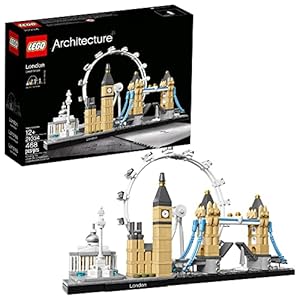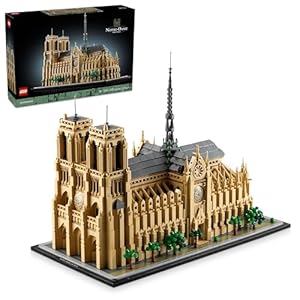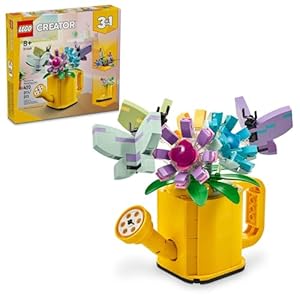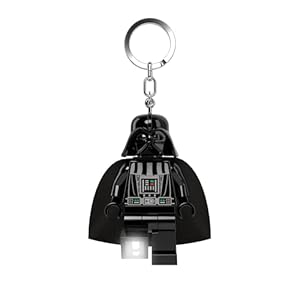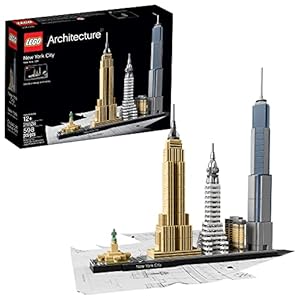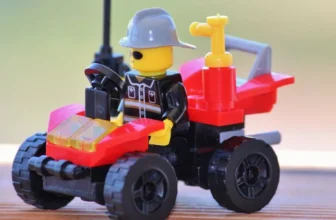

Choosing the right Lego set for beginners can be a bit daunting. You want to ensure the set matches the builder's age and skill level, while also tapping into their interests. It's important to think about the size and complexity of the set, as well as your budget. Each of these factors plays a crucial role in making the right choice. Let's explore these considerations further to find the perfect match.
Understanding Skill Levels and Age Appropriateness
When you're choosing a Lego set for a beginner, it's essential to consider skill levels and age appropriateness. Start by checking the recommended age range on the box.
Younger builders often benefit from sets with larger pieces and simpler designs, allowing them to build with confidence. For older beginners, look for sets that offer a bit more complexity, which can challenge their growing skills without overwhelming them.
Additionally, pay attention to the skill level indicated on the packaging, often categorized as beginner, intermediate, or advanced. Selecting a set that matches their current abilities will keep them engaged and motivated.
Identifying Interests and Themes
How do you choose a Lego set that truly sparks excitement? Start by considering your interests and themes that resonate with you. Are you fascinated by space, dinosaurs, or maybe city life? Identifying what intrigues you helps narrow down options.
Think about your favorite movies, hobbies, or even careers; there's likely a Lego set that aligns with those passions. Explore different themes like Star Wars, Harry Potter, or Technic cars to find what excites you the most.
Don't hesitate to browse online reviews or community forums to see what others enjoy. Ultimately, picking a set that reflects your interests ensures you'll be engaged and motivated throughout your building experience. A set that resonates with you makes all the difference!
Evaluating Set Size and Complexity
Evaluating set size and complexity is crucial for beginners looking to enjoy their Lego experience.
Start by considering your skill level. If you're new to building, opt for smaller sets with fewer pieces. These will give you the chance to grasp the basics without feeling overwhelmed.
On the other hand, if you're feeling adventurous, medium complexity sets can offer a satisfying challenge without being too daunting.
Pay attention to the age recommendations, as they often reflect the set's complexity. Also, think about the time you want to invest; larger sets usually require more time to complete.
Finding the right balance between size and complexity will enhance your enjoyment and keep you motivated as you build.
Considering Budget and Value for Money
While diving into the world of Lego, it's essential to consider your budget and the value you're getting for your money. Start by determining how much you're willing to spend.
Lego sets range from affordable to premium prices, so having a set budget helps narrow your choices. Look for sets that offer a good piece count and interesting builds; these often provide better value.
Consider sets that feature unique elements or themes you love, as this can enhance your building experience. Don't forget about sales or discounts, which can stretch your budget further.
Ultimately, choose a set that excites you and fits your financial plan, ensuring you'll enjoy every brick you snap together.
Conclusion
Choosing the right Lego set for beginners is all about matching skill levels, interests, and budgets. By considering age appropriateness, themes that excite you, and the set's complexity, you can find a perfect match. Remember to balance quality with your budget for a rewarding building experience. With these factors in mind, you're well on your way to selecting a Lego set that'll ignite creativity and provide hours of fun. Happy building!
Trending Products